
The difference between artificial intelligence and machine learning and why it matters
A Breaking Defense webinar with experts from CDAO, APL, and CNAS gets into the question of defining artificial intelligence vs machine learning.
A Breaking Defense webinar with experts from CDAO, APL, and CNAS gets into the question of defining artificial intelligence vs machine learning.
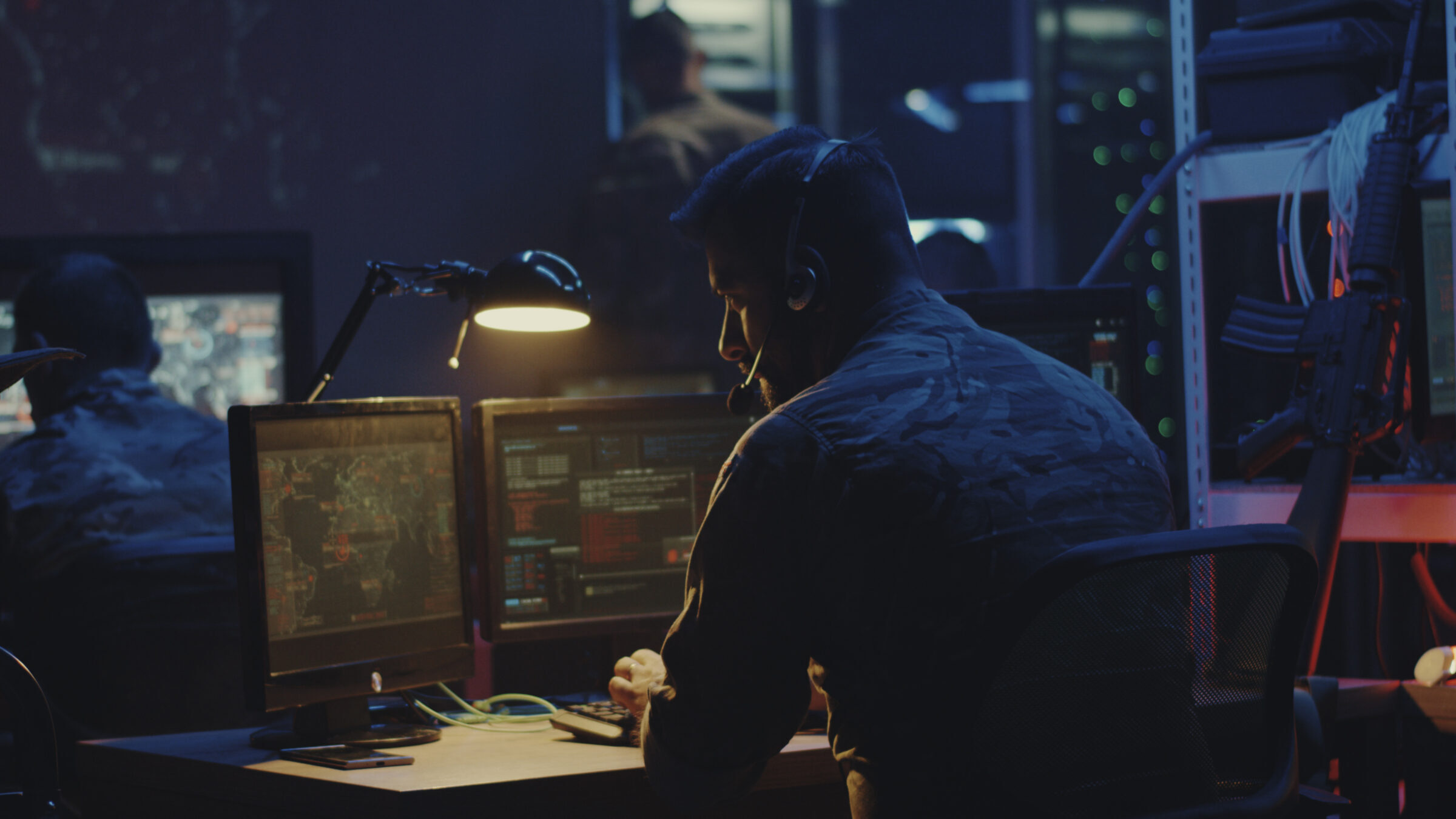
The service is also currently developing a risk management framework for Project Linchpin, the Army’s first program of record to help build out a trusted artificial intelligence/machine learning pipeline, according to Jen Swanson, deputy assistant secretary of the Army for data, engineering and software.

As threats continue to evolve, speed will increasingly depend on what is already available when the need emerges.

“The goal is to create a complete and efficient AI and ML development and delivery operational pipeline (AI/MLOps) with supporting services for sensor programs within PEO IEW&S while managing cost, schedule, risk and performance," according to a request for information.

The service “will use Project Linchpin to develop and deploy trusted AI & ML capabilities to intelligence, cyber, and electronic warfare sensor systems,” Col. Chris Anderson, project manager for intelligence systems and analytics, said.


Solving the JADC2 sense/make-sense/act strategy requires communications, navigation, identification capabilities that distribute the decision making to act fast.
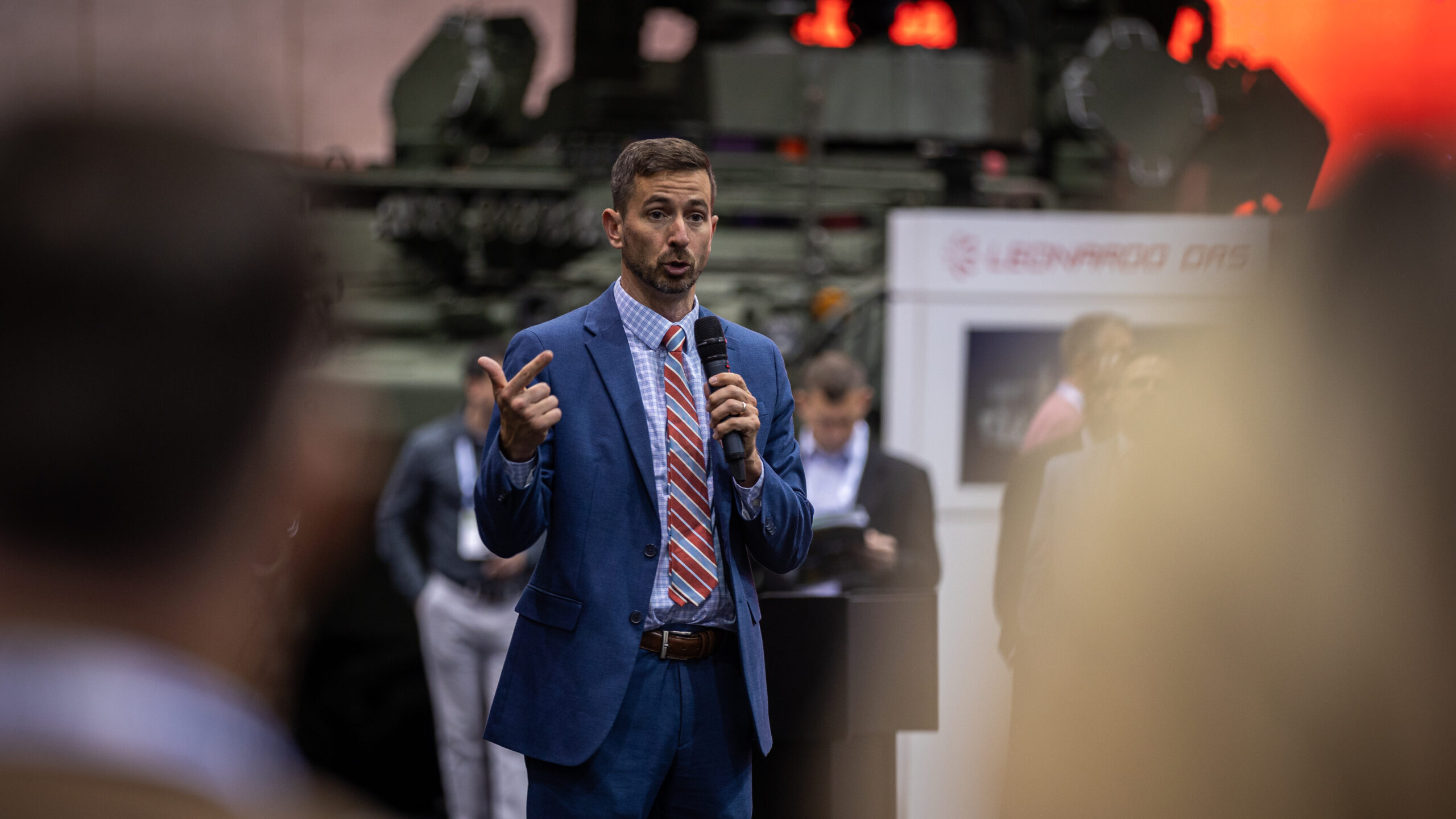
“I think across our entire portfolio, there are opportunities for us to simplify and deliver capabilities that allow for our units to have a more flexible network infrastructure,” Mark Kitz said.


A commitment to long-term operational value.
Data analytics firm Govini noted widespread investment in most of 12 top critical national security technologies, but said stats on patents are a troubling indicator of Beijing's tech rise.

GDIT President Amy Gilliland spoke to Breaking Defense about how the tech company is redirecting its investments to meet the technological demands of the day, including incorporating lessons from Ukraine.

"The ambition of [Project] Linchpin makes me nervous," said Mark Kitz, program executive officer for IEW&S. "We can't answer all of our AI/ML ops questions with the initial iteration of Linchpin."

The company is using private capital to build its hunter satellite, called Jackal, to shadow adversary satellites seeking to evade US tracking.


Lithium-metal batteries are one way to break the weight and endurance limits of today’s unmanned systems.


Critical JADC2 enabling technologies for mission success.


How can warfighters know when the AI is telling the truth? The answer to that and the roles of AI/ML in all-domain operations are inextricably linked.

Brig. Gen. John Olson said that for JADC2 to work, "artificial intelligence and machine learning are absolutely essential enablers to make us able to react, and respond, and again, make sense of the information, then act upon it."
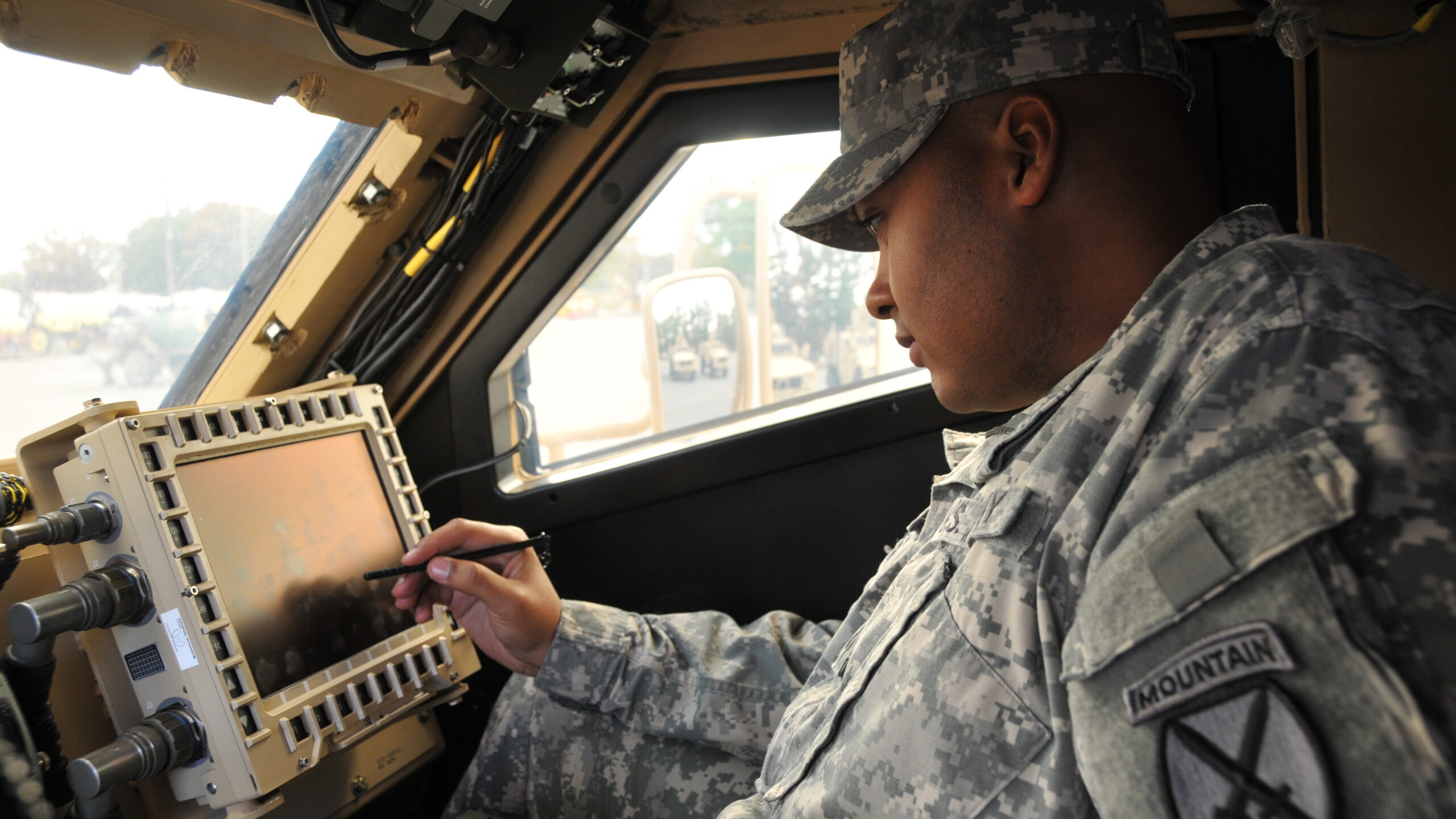
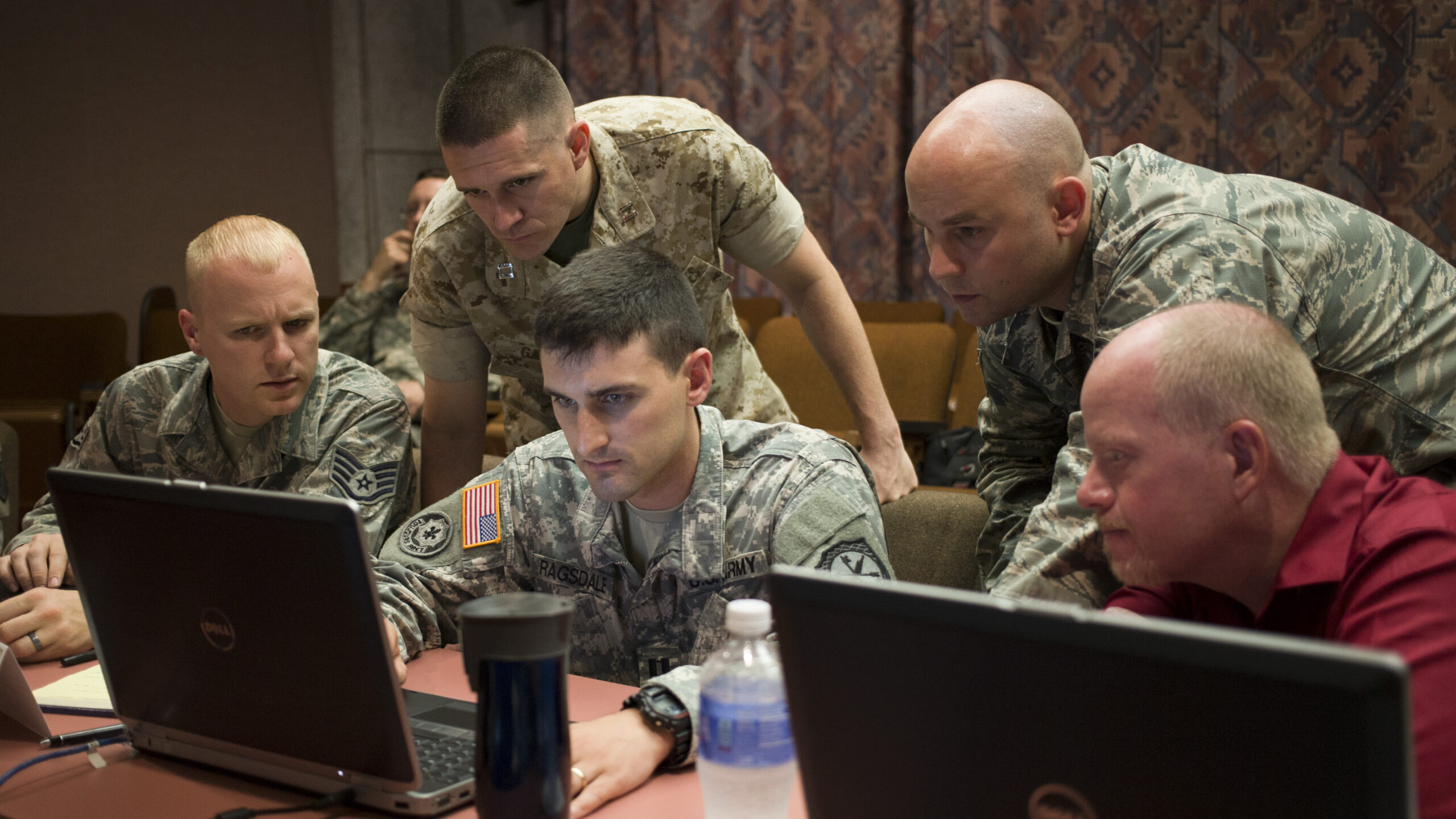
"If there's one thing DoD and industry have done, it's try a whole bunch of different tools over the last 10 to 12 years. What we have to do now is string them all together to show which ones work best for the capabilities the Army needs today and divest the ones that they don't need," Peraton VP Jennifer Napper said.